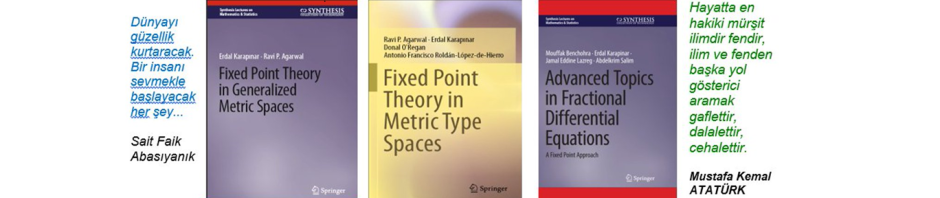
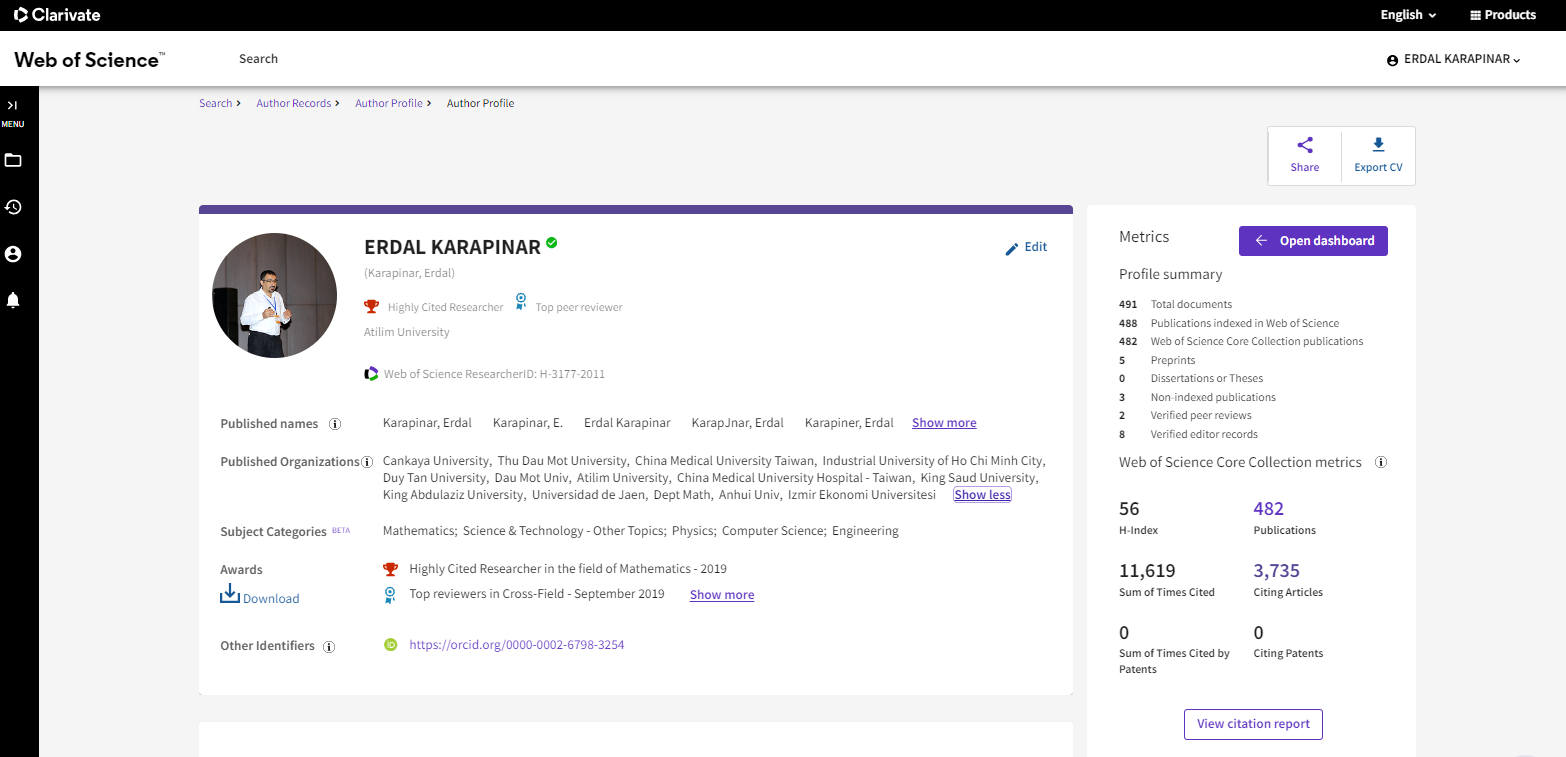
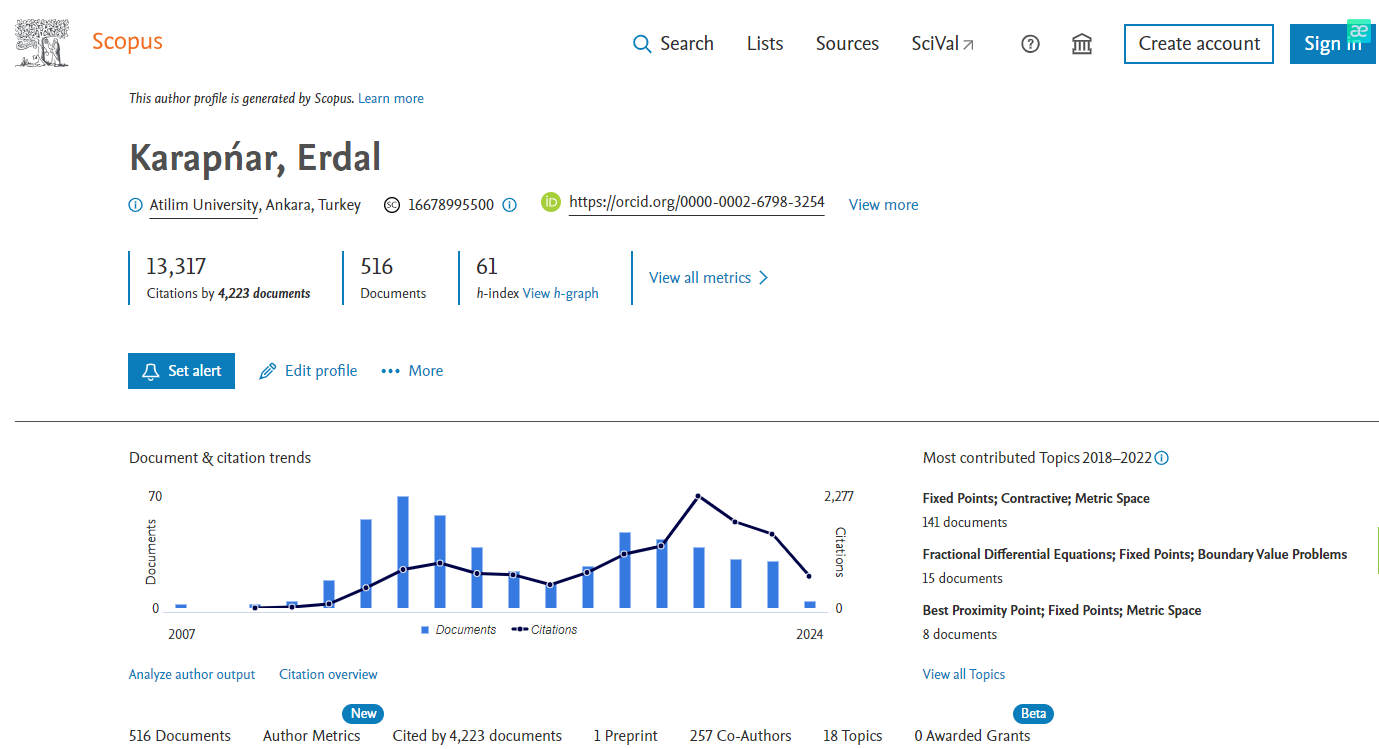
Under normal circumstances, having such a portfolio in WoS and Scopus in any country other than Turkey would be enjoyable. This does not happen in our country: “No success goes unpunished in Turkey.”
On the one hand, some of your colleagues try to belittle your work and success. On the other hand, there are your colleagues who act out of jealousy and are in the mode of “Yes, I’m not successful, but I don’t want her/him to be successful either. ”
On the other hand, there are your administrators who are afraid that you will get ahead of them with your success. It doesn’t sound reasonable at first, does it? But Turkey is the paradise of administrators who don’t like you and are afraid of you. (It would be more accurate to call them administrators, not managers. They have no concern about advancing the institution they are in, and they also hate innovations and inventions. They are in the “Let’s get by, get our salaries, I’ll keep my position, that’s enough” mode.) These managers do not want colleagues who do not listen to them and who have knowledge and experience that will pose a threat to their own positions. In fact, the state has institutions and mechanisms that partially support research, for better or worse: If you do not have political connections, you will not be able to benefit from state resources. You cannot reach the places where you should have a say; you cannot overcome the obstacles that are placed in front of you. Some of your colleagues do not have any worthwhile work, but they do not care. They are unhappy about your success; they want you to fail,
The biggest problem of the academic world in Turkey is that, in addition to having a rote-learning approach that evaluates events dogmatically, it also thinks that this approach/process is academia. It is either my bad luck or the bitter truth of Turkey that I encounter many colleagues who perceive academia as teaching at universities or being an administrator at university institutions. It is a tragic-comics situation to come across professors and rectors who say, “I don’t like research.” It is very sad to hear an oxymoronic sentence from someone with an academic “title.”. It is funny that this gentleman/lady sees himself/herself as an academic. The most important aspect of being an academic is, of course, doing research to reach new results and new truths. Do you want to become an academician to reach your goal of being a rector later? Can such a thing happen? Yes, it can… But it shouldn’t… It is an oxymoronic situation!
In almost all meetings regarding appointments and promotions, someone takes the floor and says that teaching lessons are very important to be promoted. It is necessary to mention that we do not discuss the essentiality of teaching. We are discussing whether academic/scientific titles could be given to the person who has no significant scientific result(s), productions, or work (publishing papers, discovering facts, inventing an algorithm or machine, etc.), and studies need to be done for the titles we are discussing.
Some say that attending academic meetings is essential. So, we have a question:
-How many meetings did you attend to present a paper and poster? (I would like to remind you that the meeting held in Turkish in France was presented to the Interuniversity Institution (ÜAK) affiliated to the Council of Higher Education (YÖK) as a certificate of participation in the international congress.)
Yes, an academician does not only do research; he/she gives lectures and meets with his/her colleagues. If they hold congresses and workshops, it is great. On the other hand, an academic title should not be earned with 3-5 points obtained from organizing workshops, participating in domestic and international meetings, or giving lectures…
There are more strange discussions about earning academic titles: Some people are against a foreign language requirement but consider themselves academics. Conclusion? The result is a country full of those who raise these objections, rising quickly to positions of administration and higher education administrators who advocate the idea that research is unnecessary in the academic world. Naturally, the h-index or citation count does not matter. With the understanding that “what matters is your loyalty to those who put you in that position,” universities are detached from their own reality and corrupted.
I am really sad.
But for myself, I’m not sad at all.
As the son of a marketer whose grandfather was a shepherd and whose father sold haberdashery in the markets, and as a child of the Republic, I find the distance I have come meaningful compared to where I started. One of my favorite pieces of advice from Nasreddin Hodja is this: “You should not cut off a donkey’s tail in the square. Why? Because half of the people in the square say, Hodja, you cut the donkey’s tail too short, while the other half say you left it too long.”
That’s why I consider myself successful as a child of the Republic, without needing anyone’s approval. Just because I consider myself successful does not mean that I will not work for the better or will be satisfied with this. I want to do more work. This is the precise reason why I am angry and sad: Incompetent managers who wish to protect their own seats, power, and income are against every successful business, trying to eliminate successful people, engaging in mobbing, and making successful people unable to work. In short, they lock the system.
****
Türkçe
Normal şartlarda, Türkiye dışında herhangi bir ülkede, WoS ve Scopus’ta böyle bir portföye sahip olmak keyifli olabilirdi. Türkiye’de bu pek mümkün görünmüyor: “Türkiye’de hiç başarı cezasız kalmaz.”
Bir yanda, sizin çalışmanızı, başarınızı küçümsemeye çalışan meslektaşlarınız vardır. Bir yanda da, kıskançlıkla hareket eden “evet, ben başarılı değilim, o da olmasın” modunda meslektaşlarınız vardır. Diğer bir yanda ise, sizin başarınızla önlerine geçmenizden korkan yöneticileriniz vardır: İlk başta kulağa makul gelmiyor, değil mi. Ama, sizi sevmeyen ve sizden korkan idarecilerin cennetidir Türkiyem. (Bunlara yönetici değil de, idareci demek daha doğru olur. Bulunduğu kurumu ilerletmek mi bir dertleri olmadığı gibi, yeniliklerden, icat çıkarılmasından da nefret ederler. “İdare edelim, maaşlarımızı alalım, ben koltuğumu koruyayım, yeter.” modundaki tipler.) Bu idareciler, kendilerinin sözün çıkmayan, kendi koltuğuna tehdit oluşturacak bilgi ve birikime sahip çalışma arkadaşı istemez. Aslında, iyi kötü devletin araştırmaları kısmen destekleyen kurumları ve mekanizmaları vardır: Eğer siyasal bağlantılarınız yoksa, devlet kaynaklarından faydalanmanızın da imkanı olmaz. Söz hakkınız olması gereken yerlere ulaşamazsınız, önünüze konmuş sıralı engelleri aşamazsınız.
Bazı meslektaşlarınız vardır, kendilerinin dişe dokunur bir çalışması yoktur ama bunu dert etmez. Dert ettiği, sizin başarınızdır; sizin de başarısız olmanızı ister. Bazı meslektaşlarınız ise, size “basamak/merdiven” olarak görür. Sizin üstünüze basarak yükselmek ister.
Bilim adamının çocukluğumuzdaki naif tanımı, akademik dünyada tanıştığımız haris, hodbin insanlar tarafından düş kırıklığına evrilebilir. Ama, sonra, onları da, tecrübe hanenize yazıp, o naifliği yitirmeden devam etmek gerekir. Bilim insanı meraklıdır, soru sorar, yanıt arar, hem merakını gidermek ister, hem de yaşamı kolaylaştırmak ister. Doğru soruları sorabildiğinde daha çok yanlış soruları da sorabilir. Doğru yanıt verebildiğinden çok yanlış cevap verebilir. Bilim tarihi hakkında az biraz bilgisi olan herkes bilir ki, bu yanlışlarda, doğrulara ulaşmak kadar değerlidir. Çünkü, bilim dünyasında, olduğu gibi kabul etmek yoktur, rasyonel aklınızla, analitik bir sorgulamadan sonra o bilgiyi içselleştiririz. Aksi doğru olsaydı, bilim ve teknoloji zerrece ilerlemez, ilk gözlemler, aksiyomlar, tabulaştırılır (Kilisenin Aristo’nun eserlerine yaptığı buydu). Ama, diyalekttik buna izin vermez: Değişimin kendisi, değişmeye direnen her şeyi yok eder, ezer geçer. Başka bir deyişle, “katı olan her şey buharlaşır.”
Türkiye akademik dünyasının en büyük sorunu, olayları dogmatik olarak değerlendiren, ezberci bir anlayışa sahip olmasının yanında, bu anlayışı/süreci akademi sanmasıdır. Akademiyi, üniversitelerde ders vermek ya da üniversite kurumlarında yöneticilik yapmak olarak algılayan çok sayıda meslektaşımla karşılaşmam, ya benin kör talihim, ya da Türkiye’nin acı gerçeğidir:”Ben araştırma sevmiyorum” diyen Profesörlere, rektörlere rastlamak, trajikomik bir durumdur: Oksimoron bir cümlenin akademik “unvana” sahip bir insandan duymak, çok üzücüdür. Bu beyefendinin/hanımefendinin kendini akademisyen görmesi ise, komiktir. Akademisyenliğin en önemli ayağı, tabi ki de araştırma yapmak, yeni sonuçlara, yeni gerçeklere ulaşmak. Rektör olmak için akademisyenlik mi yapılır? Böyle bir şey olabilir mi? Evet, olur… Ama olmamalı… Oksimoron bir durum!
Atama-yükseltme atamalarıyla ilgili toplantıların hemen hemen hepsinde, birisi çıkar, ve ders vermekte çok önemli der. Şimdi ders vermenin önemli mi; önemsiz mi olduğunu tartışmıyoruz. Tartıştığımız unvanlar için akademik/bilimsel çalışmaların yapılması gerektiği. Daha sonra, kaç toplantıya katıldın, bildirimi sundun, poster mi? (Fransa’da Türkçe yapılan toplantıyı, Yüksek Öğretim Kurumu (YÖK)’e bağlı Üniversitelerarası Kurum (ÜAK)’ya uluslararası kongreye katılım belgesi olarak sunulduğunu anımsatmak istiyorum.) Evet, bir akademisyen sadece araştırma yapmaz, derste verir, meslektaşları ile de buluşur, kongre yapar, workshop yapar, ama workshop organizatörlüğünden alınan 3-5 puanla, yurtiçi-yurtdışı toplantılarına katılımla, ders vermeyle akademik unvan alınmamalı… Yabancı Dil zorunluluğuna bile karşı olan ama kendisini akademisyen görenler var. Sonuç? Sonuç, bu itirazları yapanların hızlıca yükselip, yöneticiliklere yerleşmesi ve kendilerinden yola çıkarak, araştırmanın akademik dünyada gereksizliği fikrini savunan yüksek öğretim yöneticileri ile dolu bir ülke. Doğal olarak, h-index ya da atıf sayısı önemli değil. “Önemli olan, seni o konuma getirenlere olan sadakatin” anlayışla üniversitelerin kendi gerçekliğinden koparılması ve yozlaşması.
Çok üzgünüm.
Ama kendi adıma hiç üzgün değil.
Dedesi çoban, babası pazarlarda tuhafiye satan bir pazarcının oğlu, bir Cumhuriyet çocuğu olarak, başladığım yere göre aldığım mesafeyi anlamlı buluyorum. Nasrettin Hoca’nın en sevdiğim öğütlerinden biri şu: “Eşeğin kuyruğunu meydana kesilmez. Neden? Çünkü, meydandakilerin yarısı, Hoca, eşeğin kuyruğunu çok kısa kesmişsin derken, diğer yarısı, çok uzun bırakmışsın der.”
O yüzden, kimsenin onayına ihtiyaç duymadan, hiç mütevazı olmadan, bir Cumhuriyet çocuğu olarak kendimi başarılı buluyorum. Kendimi başarılı bulmam, daha iyisi için çalışmayacağım ya da bununla yetineceğim anlamına gelmiyor. Daha çok iş yapmak istiyorum. Kızgın ve üzgün olmamın nedeni tam olarak bu: Kendi koltuklarını, gücünü, gelirini korumak isteyen liyakatsiz yöneticilerin, başarılı her işe karşı olmaları, başarılı insanları bertaraf etmeye çalışmaları, mobbing yapmaları ve başarılı insanları çalışamaz hale getirmeleridir. Kısacası, sistemi kilitlemeleridir.


 Professor Erdal KARAPINAR